
In a world where parenting can feel like a high-stakes game of Jenga, knowing how to perform infant CPR is a must-have skill. Imagine being the superhero who swoops in to save the day when the unexpected happens. With just a few simple techniques, you can transform from a sleep-deprived parent into a life-saving champion faster than you can say “baby giggles.”
Infant CPR isn’t just for the professionals; it’s for anyone who wants to ensure their little one’s safety. It’s easy to learn and can make all the difference in an emergency. So grab a coffee, put on your superhero cape, and let’s dive into the essential steps that could potentially save a life. After all, what’s more heroic than knowing you’ve got the skills to handle a crisis while still managing to keep a sense of humor?
Overview Of Infant CPR
Learning infant CPR is a critical skill that empowers caregivers. Effectively responding to a cardiac emergency can save a child’s life.
Importance Of Infant CPR Training
Training in infant CPR equips parents and caregivers with essential knowledge. Skills obtained during this training can change outcomes in emergencies. Understanding how to perform chest compressions and rescue breaths is vital. It builds confidence to act quickly and effectively. Stats show that timely actions during cardiac events significantly increase survival rates.
Statistics On Infant Cardiac Emergencies
Infant cardiac emergencies occur more frequently than many imagine. Approximately 7,000 infants experience cardiac arrest each year in the United States. Research indicates that early CPR can triple the chances of survival. Moreover, the American Heart Association reports that nearly 80% of cardiac events happen at home. These numbers highlight the necessity for parents to learn CPR, ensuring they are prepared for any situation.
Steps For Performing Infant CPR
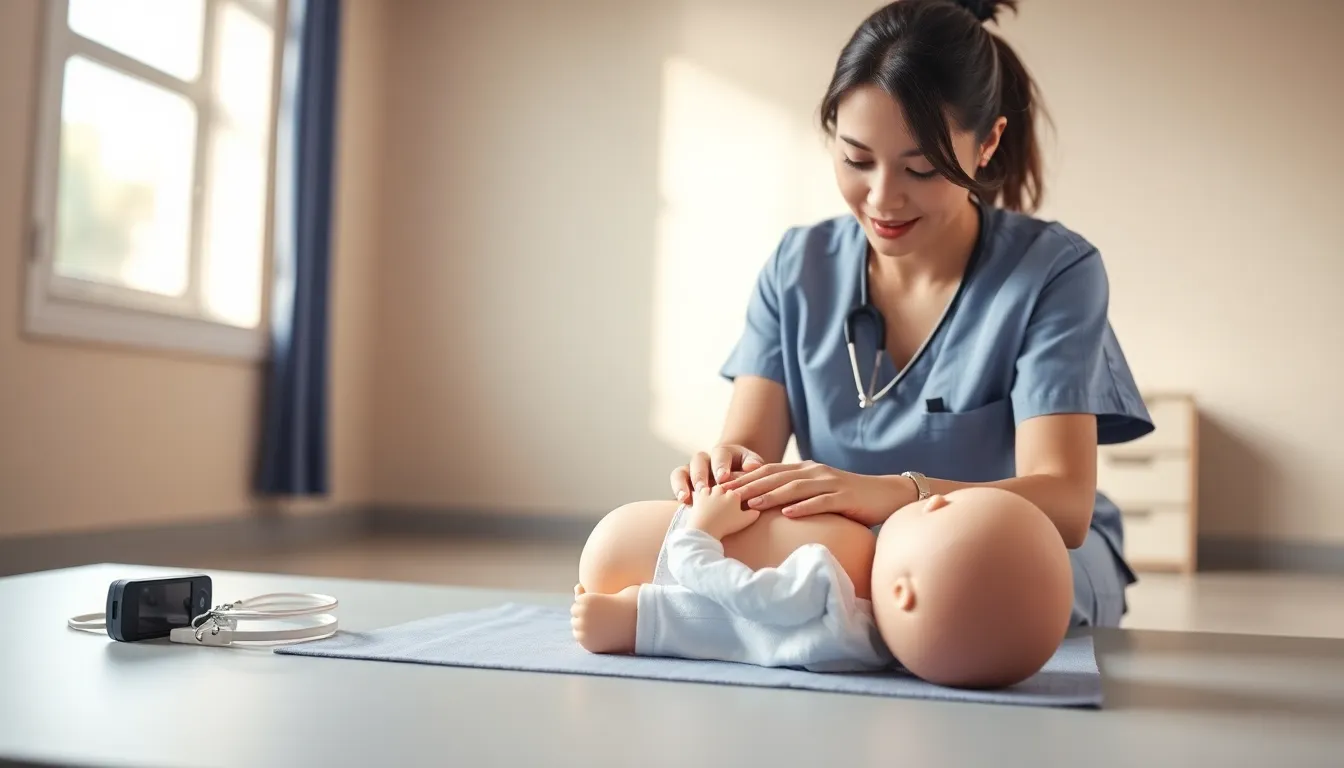
Knowing how to perform infant CPR can save a life. Following these steps accurately ensures effective intervention during emergencies.
Assessing The Situation
Check for responsiveness first. Gently tap the infant and shout to get their attention. If there’s no response, call 911 or ask someone else to initiate emergency services. Next, ensure the environment is safe. Look around for any potential dangers or hazards. Position the infant on their back on a firm, flat surface. Look for signs of breathing, observing the chest for rise and fall. If unresponsive and not breathing or breathing abnormally, start CPR immediately.
Administering Chest Compressions
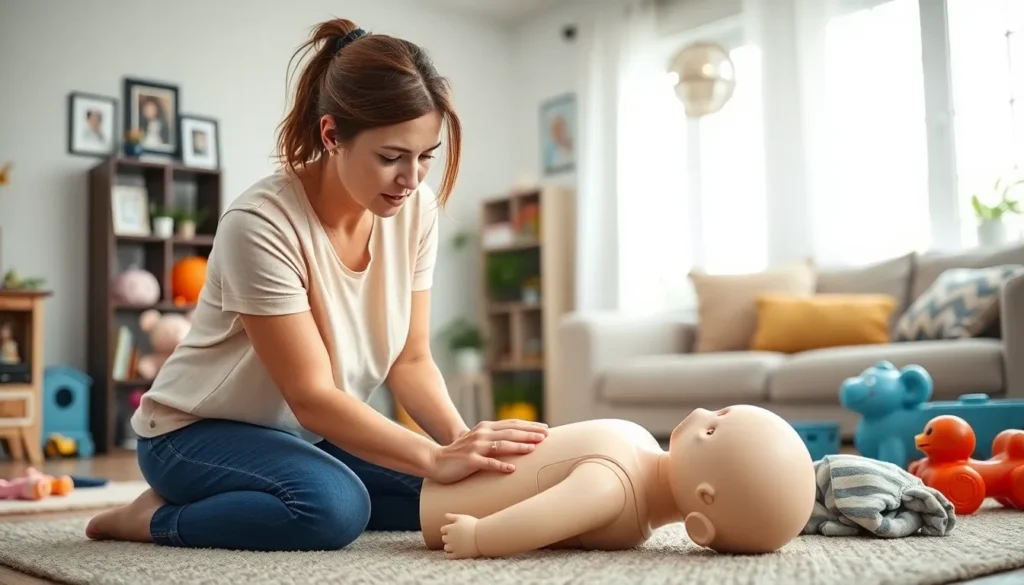
Use two fingers to locate the center of the infant’s chest just below the nipple line. Compress the chest to a depth of about 1.5 inches at a rate of 100 to 120 compressions per minute. Maintain a smooth, steady rhythm while allowing the chest to fully recoil between compressions. Perform 30 compressions, ensuring even pressure and avoiding interruption. Ensure the infant remains on a firm surface throughout this process to optimize effectiveness.
Providing Rescue Breaths
After completing chest compressions, provide rescue breaths. First, open the airway by tilting the infant’s head back slightly. Pinch the nose closed and cover the infant’s mouth with yours, creating a seal. Deliver two gentle breaths, each lasting about one second. Watch for the chest to rise as you provide breaths. Pause between breaths to allow for adequate breathing time. Resume chest compressions after providing the breaths to maintain the cycle of CPR. Continue the pattern of 30 compressions followed by 2 breaths until help arrives.
Common Myths About Infant CPR
Understanding infant CPR is essential, but several myths can lead to confusion. Addressing these misconceptions provides clarity and ensures that caregivers act effectively in emergencies.
Misconceptions About Infant Anatomy
Many people believe that infants’ chests are too fragile for chest compressions. In reality, infants possess strong, flexible rib cages designed to withstand the pressure applied during CPR. Others think the pressure must be extreme to be effective. Light, gentle compressions, about 1.5 inches deep, facilitate blood circulation without causing harm. A common myth suggests that only trained professionals can perform CPR on infants. In fact, parents and caregivers can successfully learn these vital skills through training programs and practice.
The Truth About Infant Choking
Some caregivers think that infants can’t choke on liquids. Liquids can pose a choking hazard, especially if they sip too quickly. Misunderstanding the signs of choking can delay critical help. Caregivers should recognize signs like inability to cry or cough, which indicate severe distress. Many believe back blows are ineffective. However, delivering back blows combined with chest thrusts effectively dislodges an obstruction. Education on proper techniques is crucial for managing choking incidents.
Essential Tools For Infant CPR
Having the right tools makes learning and performing infant CPR more effective. Below are two key tools essential for practicing and administering infant CPR.
CPR Manikins
CPR manikins serve as realistic practice tools for mastering infant CPR techniques. These manikins replicate the anatomical features of an infant, providing a safe environment for hands-on training. They typically include features that allow caregivers to practice chest compressions and rescue breaths accurately. Regular practice on these manikins builds familiarity with the correct rhythm and pressure needed during actual emergencies. Training with CPR manikins ensures caregivers feel confident in their skills, increasing their ability to respond effectively when necessary.
First Aid Kits
First aid kits are crucial for emergencies and should be readily accessible. An ideal first aid kit for infants includes items such as adhesive bandages, antiseptic wipes, and infant-sized gloves. Additionally, including instructions for infant CPR can be invaluable during stressful situations. Parents must check and replenish these kits regularly to ensure all supplies are up-to-date. A well-stocked first aid kit helps parents take immediate action in emergency situations, enhancing the overall safety of their infants at home or on the go.
Knowing infant CPR is a vital skill for every parent and caregiver. Being prepared to act in emergencies can make all the difference in a child’s life. With accessible training and practice, anyone can learn these essential techniques to respond confidently and effectively.
Empowering oneself with knowledge about CPR not only enhances safety but also fosters peace of mind. By understanding and practicing the steps involved in infant CPR, parents can take proactive measures to protect their little ones. It’s never too late to learn and be ready for any situation that may arise.