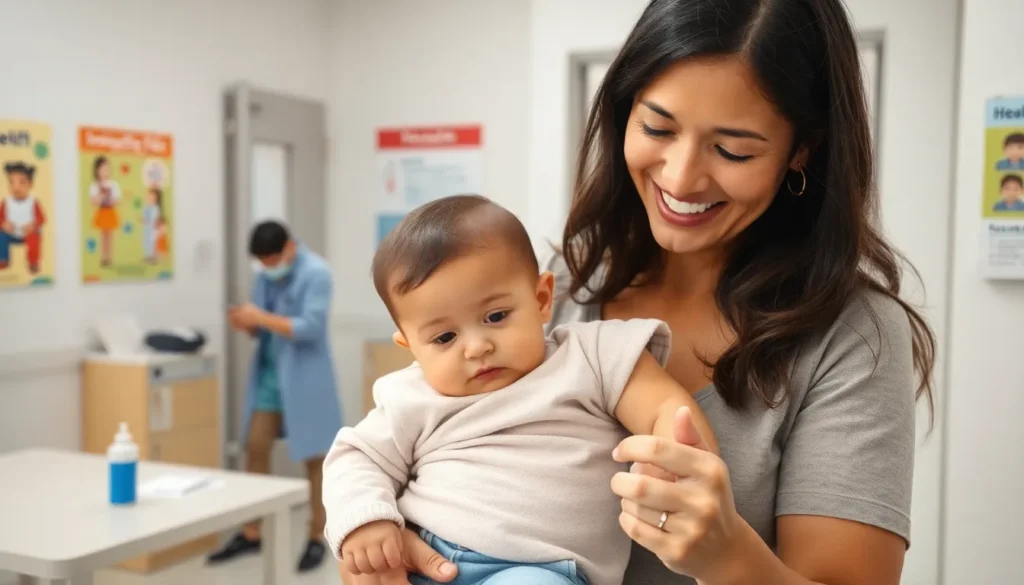

In a world where superheroes wear capes and save the day, vaccinations are the unsung heroes fighting off invisible villains like measles and whooping cough. Keeping track of vaccination schedules might seem as thrilling as watching paint dry, but it’s a vital part of ensuring a healthy future for everyone. After all, nobody wants to be the adult who forgot their childhood shots and ends up in a game of “Guess That Disease.”
Importance Of Vaccination Schedule
Vaccination schedules play a vital role in public health. Coordinated immunization helps individuals build immunity against serious diseases. Following a recommended timeline decreases the likelihood of outbreaks. Each vaccine protects against specific infections, ensuring children stay healthy throughout their formative years.
Regular vaccinations reduce the reoccurrence of diseases like measles and whooping cough. Health professionals recommend adherence to these schedules from birth through adolescence. Delayed or missed vaccinations can lead to vulnerability to infections. Consistent immunization protects not just the individual but also the community by establishing herd immunity.
Research shows that vaccination schedules prevent the spread of contagious diseases. Public health organizations, such as the Centers for Disease Control and Prevention (CDC), stress completing vaccinations on time. Compliance with the schedule leads to the eradication of certain diseases in populations.
Parents and guardians play a crucial role in monitoring their children’s vaccination status. They should consult healthcare professionals routinely for updates. Staying informed helps maintain a child’s health record accurately.
The importance of vaccinations cannot be overstated. By following established immunization schedules, families contribute to a healthier society. Vaccines serve as a frontline defense against preventable diseases. Adhering to these guidelines ensures a future with reduced illness and enhanced overall wellness.
Types Of Vaccination Schedules

Vaccination schedules play a critical role in public health by guiding individuals through recommended immunizations. Two main types of vaccination schedules exist to ensure effective disease prevention.
Routine Immunization Schedule
Routine immunization schedules recommend vaccinations at specific ages or intervals. These schedules typically include vaccines for measles, mumps, rubella, polio, hepatitis B, and others. Children usually receive these vaccines from birth through 18 years. Adherence to this schedule builds immunity and reduces disease prevalence. Healthcare providers often track these vaccinations during regular check-ups. Families can reference the advisory committee on immunization practices (ACIP) guidelines for detailed schedules.
Catch-Up Immunization Schedule
Catch-up immunization schedules become essential for individuals who miss routine vaccinations. This schedule allows healthcare providers to determine which vaccines are necessary based on age and immunization history. It focuses on ensuring that adolescents and young adults receive all recommended vaccines. For instance, a missed childhood vaccine could be administered during a routine visit in adolescence. Providers assess vaccination status using the patient’s immunization record. Updates on catch-up guidelines are available through health organizations, enabling timely rescheduling.
Factors Influencing Vaccination Schedule
Several factors influence vaccination schedules, ensuring that individuals receive timely immunizations based on their specific needs.
Age
Age plays a significant role in determining vaccination schedules. Vaccines recommended during infancy, early childhood, and adolescence target specific diseases prevalent in those age groups. For example, infants receive their first doses of vaccines like hepatitis B and DTaP (diphtheria, tetanus, and pertussis) within the first few months of life. As children grow older, schedule adjustments accommodate developmental stages, administering vaccines such as the measles, mumps, and rubella (MMR) at 12 to 15 months. Adolescents may receive boosters or additional vaccines, like the Tdap and HPV. Timely vaccinations protect children from serious infections as their immune systems mature.
Health Conditions
Health conditions significantly affect vaccination schedules. Certain chronic illnesses can influence both the timing and type of vaccines recommended. For instance, individuals with weakened immune systems, such as those undergoing chemotherapy or with HIV/AIDS, may require modified schedules to ensure safety while still achieving immunity. Autoimmune disorders often necessitate careful consideration when administering live vaccines. Additionally, allergies to vaccine components might alter recommendations, requiring alternative vaccines or adjustments. Healthcare providers assess these conditions to develop personalized vaccination plans that meet individual health needs while maximizing protection against preventable diseases.
Recommendations From Health Organizations
Vaccination schedules are vital for public health, and leading health organizations provide guidelines to ensure effective immunization.
CDC Guidelines
The Centers for Disease Control and Prevention (CDC) specify a Routine Immunization Schedule for children from birth through 18 years. This schedule includes critical vaccines such as measles, mumps, rubella (MMR), polio, and hepatitis B. Healthcare providers track vaccinations during regular check-ups to maintain adherence. Recommendations vary by age; for instance, infants receive initial doses while adolescents require booster shots. The CDC emphasizes the importance of completing these schedules, as timely vaccinations significantly reduce the risk of disease outbreaks. Parents and guardians should regularly consult healthcare professionals to stay updated on their children’s immunization status.
WHO Guidelines
The World Health Organization (WHO) also offers guidelines advocating vaccination as a cornerstone of global health. WHO recommends a comprehensive immunization schedule to protect against common infectious diseases, with specific vaccines listed for different age groups. For example, the pneumococcal conjugate vaccine targets infants, while the HPV vaccine is advised for older adolescents. The WHO promotes catch-up immunization for those who miss scheduled doses, ensuring that vaccines are accessible to all populations. Public health education plays a critical role in raising awareness about vaccination benefits, and healthcare providers are encouraged to share this information widely within communities.
Vaccination schedules play a vital role in safeguarding individual and community health. By adhering to these timelines, families can ensure their children receive essential immunizations, building a strong defense against preventable diseases. Staying informed and proactive about vaccinations not only protects loved ones but also contributes to the broader goal of herd immunity.
Healthcare providers remain invaluable resources in this journey, guiding parents through the intricacies of vaccination schedules. As awareness grows around the importance of timely vaccinations, society moves closer to a healthier future, free from the threat of outbreaks. Prioritizing vaccinations is a commitment to well-being that benefits everyone.