
Watching a baby grow is like witnessing a tiny miracle unfold before your eyes. One moment, they’re a helpless bundle of joy, and the next, they’re mastering the art of rolling over like a pro. Baby development is a fascinating journey filled with milestones that’ll make any parent beam with pride—if they can manage to keep their coffee cup from being knocked over in the process.
From their first giggle to those wobbly first steps, every achievement is a cause for celebration. Understanding these developmental stages not only helps parents navigate the chaos but also ensures that every little one gets the love and support they need to thrive. So buckle up for a delightful ride through the world of baby development, where every coo and crawl is a step toward a bright future.
Understanding Baby Development
Baby development involves a series of remarkable milestones. Parents often observe their infants reaching significant achievements, which fosters a sense of joy and connection.
Milestones in Early Development
Milestones indicate important developmental stages during infancy. Babies typically begin to smile at six weeks, increasing their social interaction. By six months, they may sit without support, enhancing their independence. At around one year, many babies start walking, providing insights into their physical abilities. Communication skills also emerge; infants commonly say their first words by twelve months. Recognizing these milestones helps parents track growth and development.
Factors Influencing Development
Numerous factors influence a baby’s growth and development. Genetics plays a significant role in determining physical traits and behavioral tendencies. Nutrition significantly impacts overall health and cognitive function. The environment also shapes development; a nurturing home offers essential emotional support. Social interactions with caregivers foster learning and communication. Exposure to stimuli, such as toys and books, encourages cognitive engagement. Understanding these factors aids parents in nurturing their baby’s unique developmental journey.
Physical Development
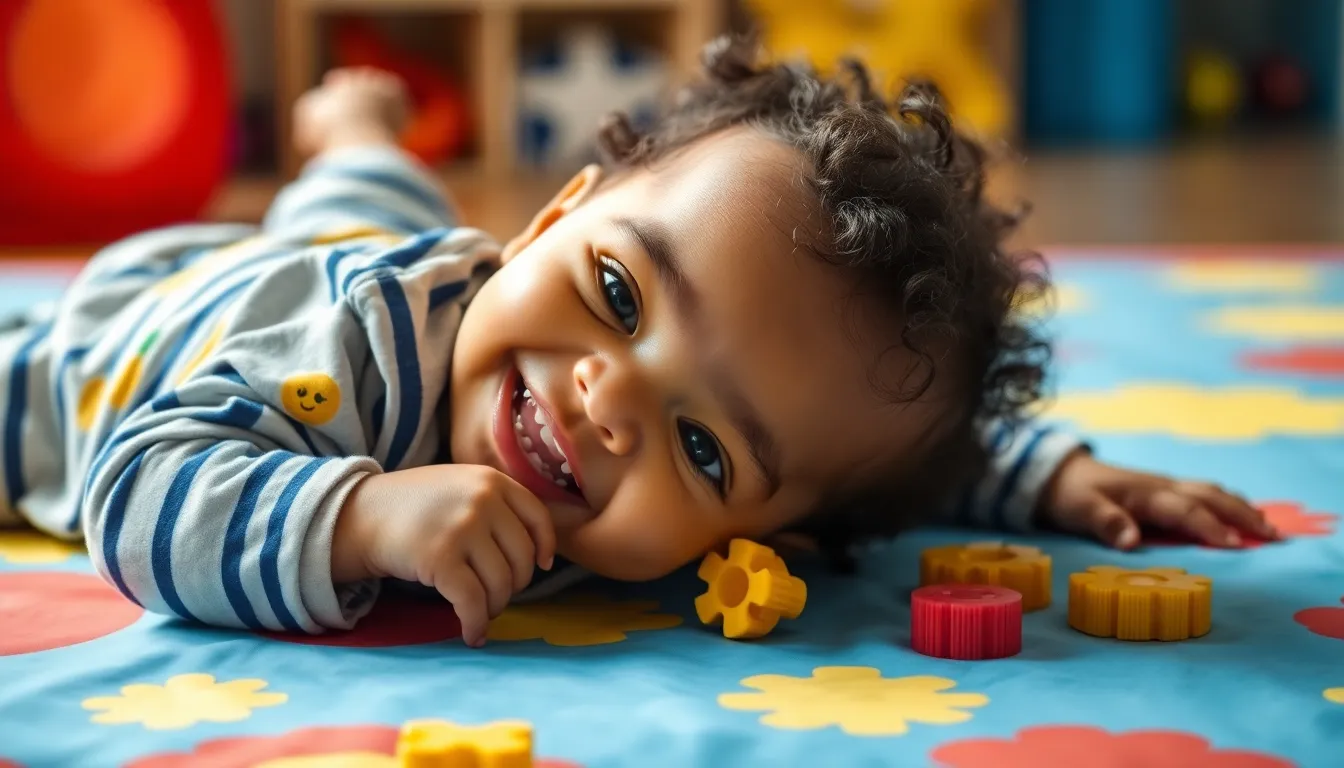
Physical development involves significant changes during the first year of life. Infants grow rapidly, experiencing remarkable transformations in body size and abilities.
Growth Patterns
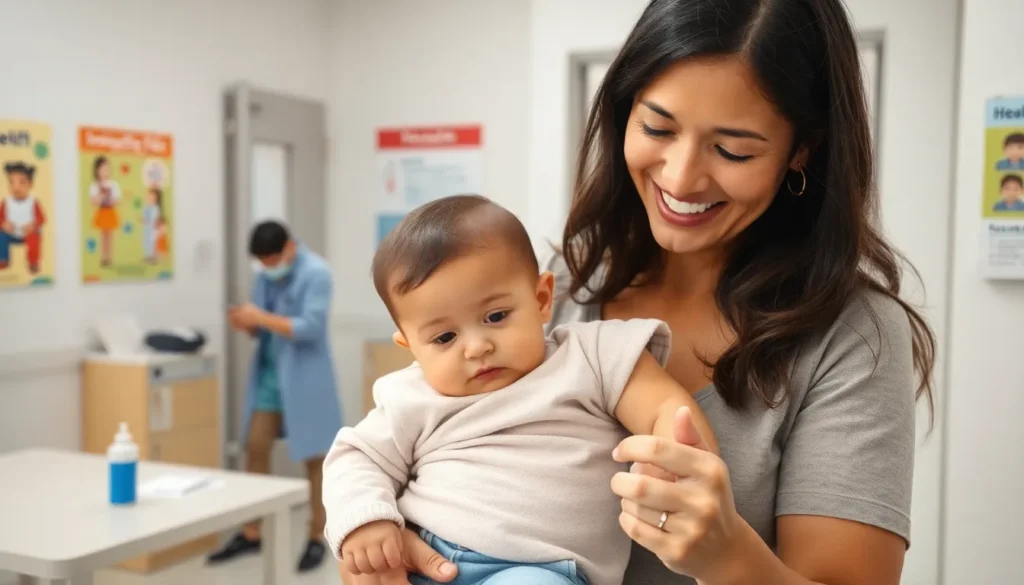
Growth patterns vary among infants, yet most show a predictable trajectory. By six months, babies typically double their birth weight. At one year, they may even triple it. Height increases around 10 inches during the first year. Regular pediatric check-ups help track these growth patterns, ensuring infants gain weight and height appropriately. Parents observe changes in appetite and sleep, indicating growth spurts. Monitoring these patterns plays a crucial role in a baby’s overall health.
Motor Skill Development
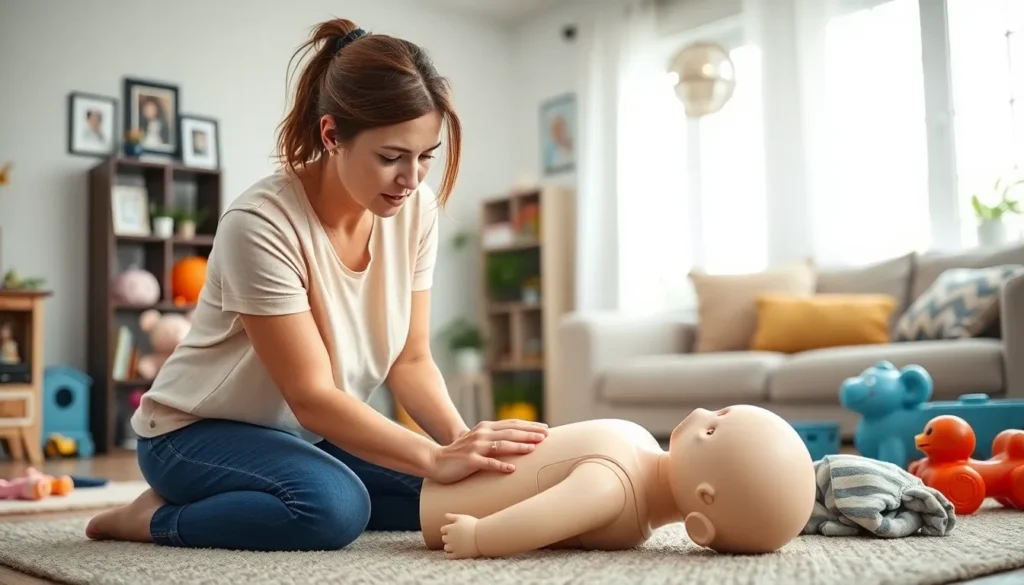
Motor skill development comprises two primary types: gross and fine motor skills. Gross motor skills involve large muscle groups, while fine motor skills focus on smaller, intricate movements. By six weeks, babies begin to push up while lying on their stomachs. Sitting without support often occurs by six months. Walking typically emerges around 12 months. Coordination improves through practice and exploration, allowing infants to reach, grasp, and move objects. Providing safe spaces for movement encourages motor skill development. Engaging in tummy time strengthens muscles, promoting overall motor growth.
Cognitive Development
Cognitive development encompasses the mental processes that enable babies to think, learn, and understand their surroundings. Understanding this aspect provides important insights into how children interact with the world.
Language Acquisition
Language acquisition begins early in a baby’s life. By around three months, infants respond to sound and coo, signaling communication efforts. At six months, babbling emerges, featuring repetitive consonant-vowel combinations. By the time they reach one year, babies may say their first words, often words like “mama” or “dada.” This process thrives in interactive environments, where caregivers frequently talk to and engage with their babies. Moreover, exposure to rich language experiences, such as reading and singing, significantly boosts vocabulary development. Observing these stages shows parents how critical nurturing environments foster language skills.
Problem-Solving Skills
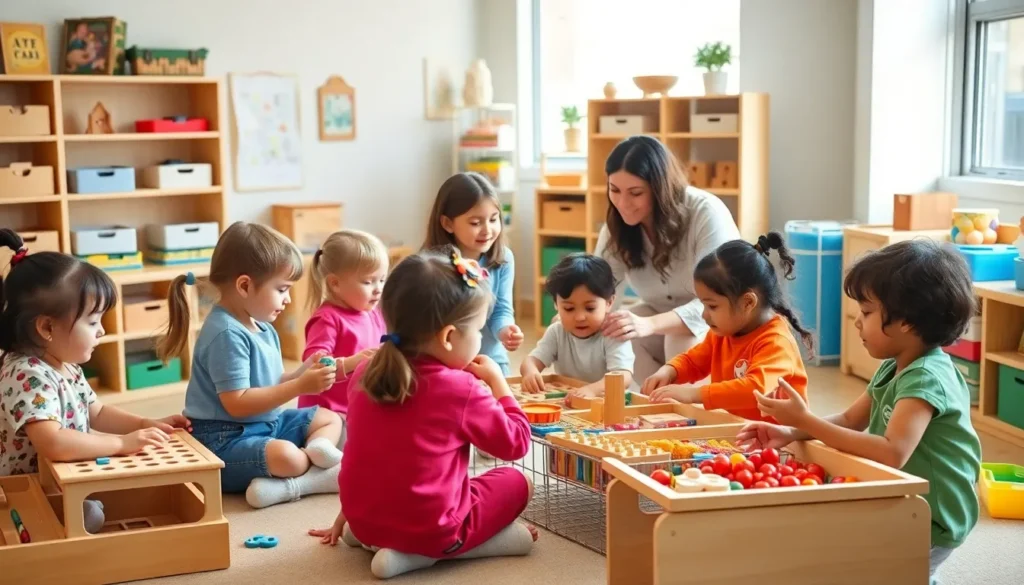
Problem-solving skills manifest as babies explore their environment. By six months, they begin to manipulate objects, testing gravity and basic physics through dropping and throwing. Around ten months, infants display curiosity by engaging with toys in new ways, showcasing their ability to experiment. They may also show intentionality while seeking out hidden objects, indicating an understanding of object permanence. Encouraging safe exploration fuels this cognitive aspect further. Activities like stacking blocks or simple puzzles provide opportunities for skill enhancement. Parents supporting these discoveries create lasting foundations for critical thinking and reasoning.
Social and Emotional Development
Social and emotional development plays a crucial role in a baby’s overall growth. Infants form connections with caregivers, which significantly influences their emotional well-being.
Attachment Styles
Attachment styles develop from early interactions with caregivers. Secure attachment fosters trust and security, leading to healthy emotional regulation. In contrast, inconsistent care may result in anxious or avoidant attachment. For instance, a baby with a secure attachment feels comfortable exploring their environment, knowing a caregiver provides support. As caregivers respond consistently to a baby’s needs, the baby forms a stable emotional base, promoting resilience in future relationships.
Interaction with Peers
Interaction with peers begins during the first year and becomes more pronounced by toddlerhood. Babies learn valuable social skills through play, sharing, and joint attention. They may watch other children, imitating play behaviors. For example, engaging in parallel play lays the groundwork for cooperative play later on. As babies express emotions like joy or frustration during interactions, they also start understanding social cues, which enhances their ability to connect with others. Such experiences cultivate empathy and social awareness, essential components of emotional intelligence.
Tips for Promoting Healthy Baby Development
Promoting healthy baby development involves engaging activities and proper nutrition. These practices help ensure optimal growth.
Engaging Activities
Infants benefit from engaging activities that stimulate their senses. Activities like tummy time encourage movement and strengthen muscles. Simple games, such as peek-a-boo, enhance social interaction and cognitive skills. Reading books promotes language development, even if babies only look at pictures initially. Regularly providing varied toys helps develop fine motor skills, as infants learn to grasp and manipulate objects. Parents observing their baby’s interests can tailor activities to enhance learning and exploration.
Nutrition and Health
Nutrition plays a critical role in healthy baby development. Breastfeeding for the first six months provides essential nutrients and antibodies. Introducing solid foods around six months allows for diversified nutrition. Foods rich in iron and healthy fats support brain development. Regular pediatric check-ups monitor growth patterns and overall health, ensuring any concerns are addressed promptly. Good hygiene practices, such as hand washing, prevent infections that can hinder growth. Parents prioritizing nutrition and health create a strong foundation for their baby’s future.
The journey of baby development is a remarkable experience filled with milestones that shape a child’s future. As parents witness their little ones grow and achieve new skills they also create lasting memories that enrich family bonds. Understanding the various stages of development empowers parents to provide the right support and nurturing environment.
By focusing on physical cognitive and emotional growth parents can foster a well-rounded foundation for their babies. Engaging in activities that stimulate learning and ensuring proper nutrition are vital components of this journey. Ultimately the joy of watching a baby develop into a curious confident individual is one of life’s greatest rewards.